
You’ve just had your windshield replaced. The new glass looks great, you can see clearly, and everything seems to be working.
So you’re good to go, right?
Not necessarily.
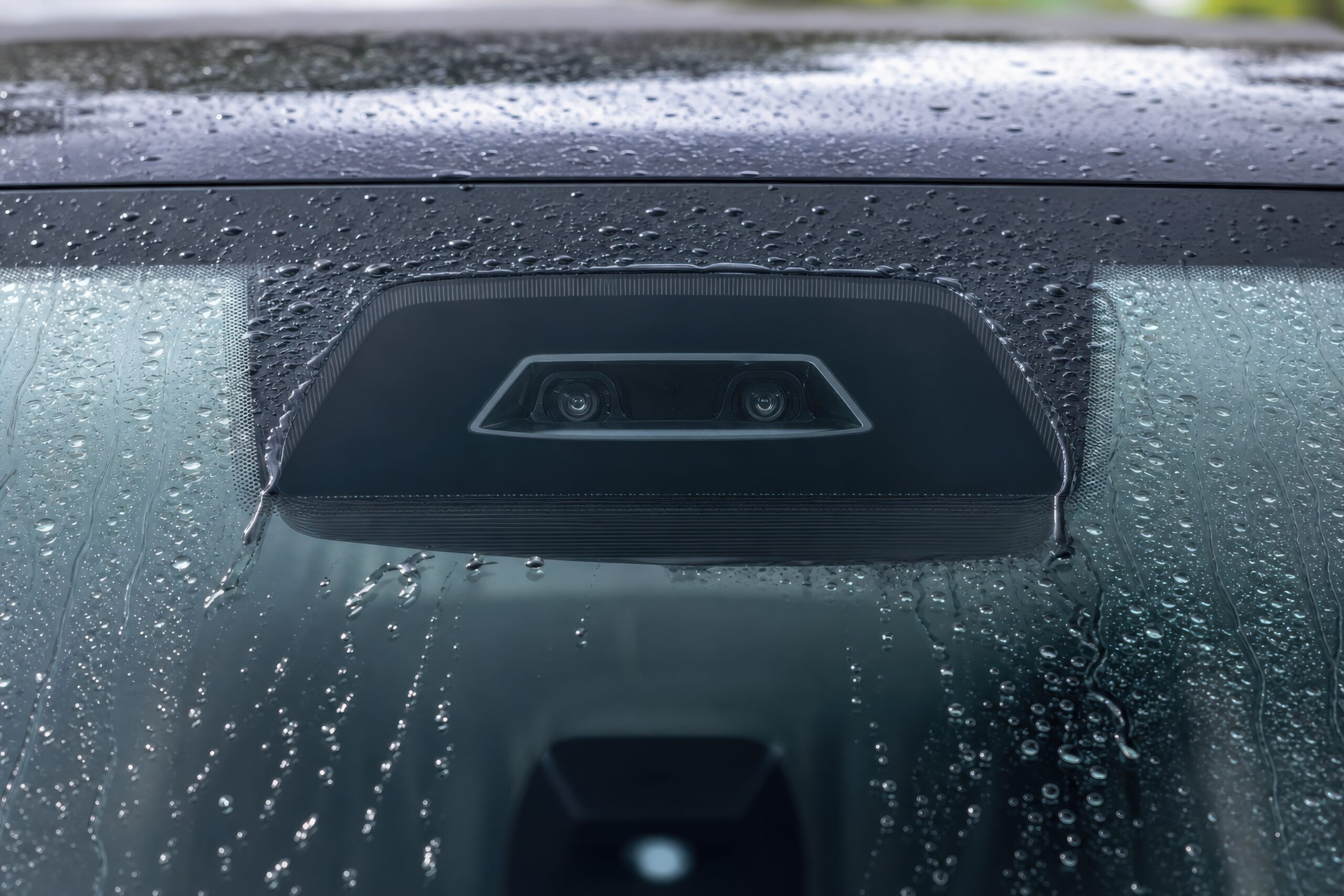
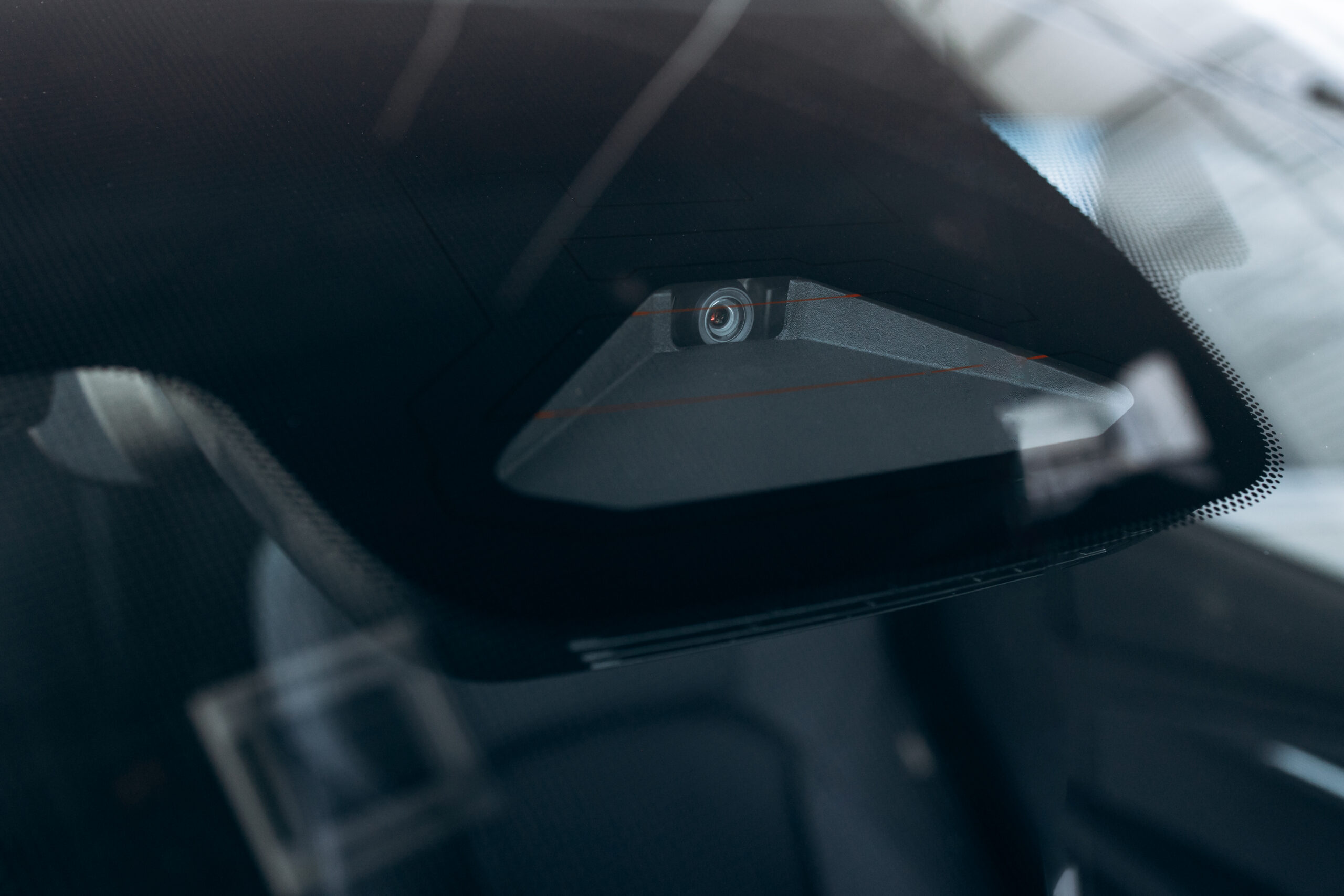
If your vehicle has a camera mounted in the windshield, replacing the glass may mean that camera needs to be recalibrated.
And that camera could be responsible for some pretty important things, like helping you stay in your lane or warning you when you’re getting too close to another vehicle.
At Cornerstone Auto Glass, we provide ADAS calibration services for qualifying vehicles throughout the Denver Metro, Colorado foothills, and surrounding Front Range communities.
We have mobile calibration capabilities, along with our Conifer shop for procedures that require a more controlled environment.
Our goal is to make sure the work doesn’t stop at installing the glass when your vehicle requires something more.
ADAS stands for Advanced Driver Assistance Systems.
It’s the name for a collection of technologies that help drivers recognize potential hazards and, in some cases, assist with steering or braking.
Depending on your vehicle, these systems may include:
Alerts you when you’re drifting out of your lane.
Helps steer the vehicle back toward its lane.
Can apply the brakes when a potential collision is detected.
Helps maintain a set distance from vehicles ahead.
Some of these systems use cameras mounted in the windshield to monitor the road.
And for those cameras to work properly, they need to be positioned and calibrated according to the vehicle manufacturer’s specifications.
That’s where windshield camera calibration comes in.
The process helps ensure that the camera is interpreting its surroundings as intended, so the driver assistance systems that rely on it can function correctly.
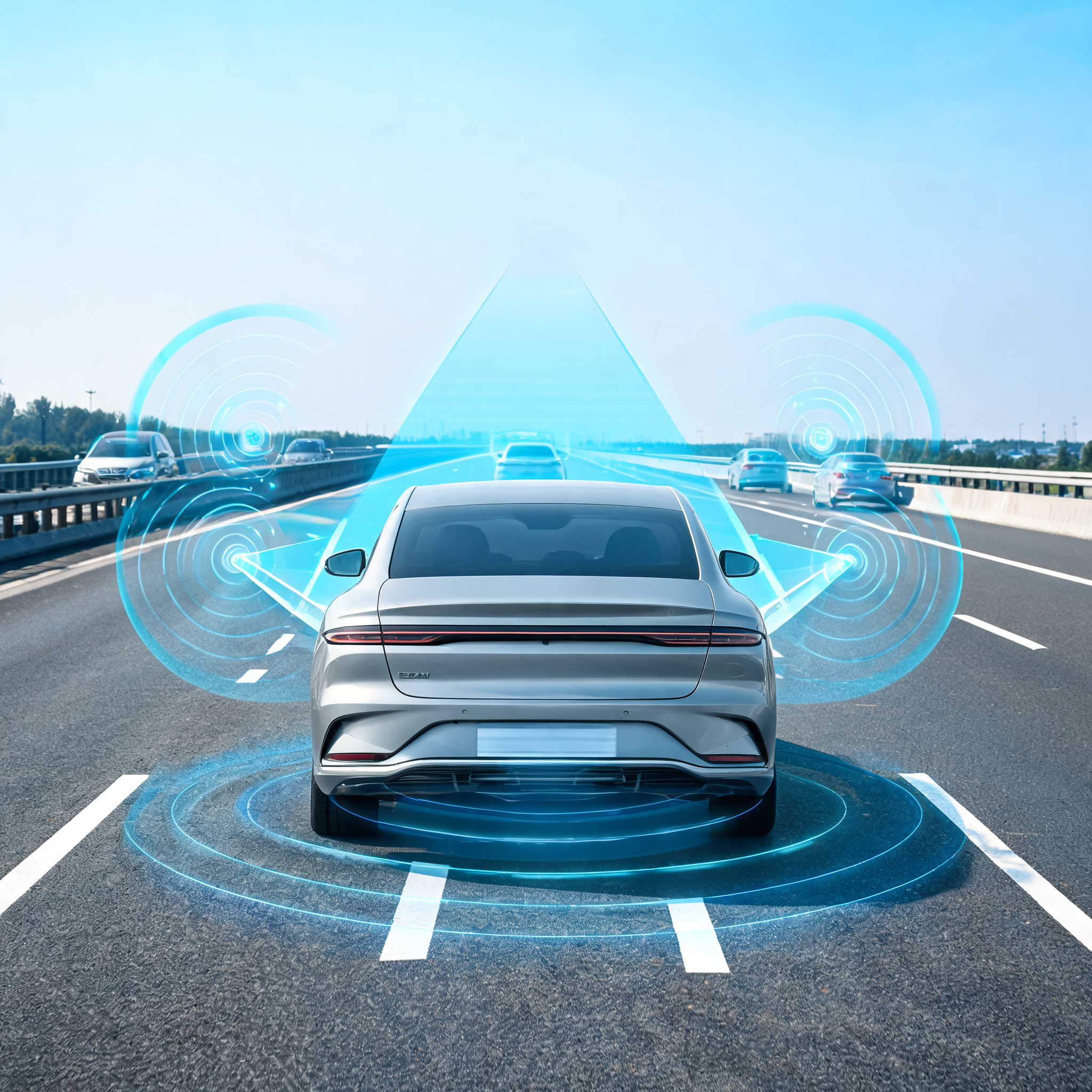
You might be wondering how replacing a piece of glass could affect a camera.
After all, the camera hasn’t necessarily been replaced or damaged. It might not seem like a small shift in camera position would make much difference.
But when that camera is helping your vehicle make sense of the road ahead, even a slight change in alignment can affect the information it’s working with.
That’s why many vehicle manufacturers require ADAS calibration after windshield replacement.
Depending on the vehicle, replacing the windshield can affect the camera’s alignment or its view through the glass, making recalibration necessary.
And here’s something that surprises many drivers:
Your vehicle may not display a warning light even when calibration is required.
The camera might appear to be working normally, but that doesn’t necessarily mean its alignment has been verified.
At Cornerstone, we believe proper windshield installation includes paying attention to these requirements, not simply replacing the glass and assuming everything else is fine.
Not every vehicle uses the same calibration procedure.
The process depends on the make, model, and type of driver assistance system involved.
Generally, there are two primary methods of ADAS windshield calibration.
Static calibration takes place while the vehicle is stationary.
Specialized equipment and targets are positioned according to the manufacturer’s requirements, allowing the vehicle’s camera system to be calibrated under specific conditions.
These procedures may require precise measurements, controlled lighting, and a suitable work environment.
All static calibrations must be performed at our Conifer shop.
During dynamic calibration, the vehicle is driven under conditions established by its manufacturer.
The camera system uses information gathered during the drive to complete the calibration process.
Because the procedure may require specific speeds, visible lane markings, and suitable weather or lighting, the time needed can vary.
Some vehicles require both static and dynamic calibration.
The important thing is that the calibration method needs to match the vehicle’s requirements. It isn’t simply a matter of choosing whichever procedure is faster or more convenient.
Having your windshield replaced is inconvenient enough without having to arrange another trip for calibration.
That’s one reason Cornerstone has invested in mobile ADAS calibration capabilities.
For qualifying vehicles and procedures, we can perform calibration away from our Conifer shop.
However, not every calibration can be completed on-site.
Some procedures require a controlled environment or conditions that make shop-based service necessary.
We’ll review your vehicle’s requirements and help determine whether mobile service is appropriate or whether you’ll need to visit our Conifer location.
We want to make the process convenient, but not at the expense of doing the work correctly.
A windshield is more than a piece of glass that keeps the wind and weather out.
On many newer vehicles, it’s also part of a larger safety system.
That’s why Cornerstone takes a careful approach to windshield replacement and the related calibration requirements.
We don’t believe in skipping necessary steps just because the windshield looks good or the dashboard isn’t displaying a warning.
When calibration is required, it’s part of getting the vehicle properly taken care of.
No. Not every vehicle has windshield-mounted cameras, and calibration requirements vary by manufacturer and model.
If your vehicle has applicable driver assistance systems, we’ll help determine whether calibration is required after windshield replacement.
If your vehicle needs ADAS recalibration, it’s important to have that work completed before relying on the affected driver assistance features.
All cars with ADAS windshields need to be calibrated before driving. Every manufacturer needs proof of calibration. No cars can be driven without proper calibration.
Two vehicles can have similar driver assistance features but require very different calibration procedures.
That’s why the cost of ADAS calibration depends on the vehicle, the systems involved, and the work required to complete the process correctly.
We’ll review your vehicle information, determine what calibration is needed, and explain the associated costs before scheduling.
The time required varies depending on the vehicle, calibration method, and conditions involved.
We’ll explain the anticipated process and scheduling requirements before the work begins.
In some cases, yes.
Cornerstone has mobile calibration equipment, but certain procedures must be completed at our Conifer shop.
We’ll help determine which option is appropriate for your vehicle.
When your windshield needs replacement, you want to know that everything has been taken care of.
Not just the glass you can see, but the safety systems that may depend on it.
At Cornerstone Auto Glass, we’ve been helping Colorado drivers since 2001, and we’ve built our reputation on doing the work correctly, explaining what needs to be done, and following through on our commitments.
If your vehicle requires windshield recalibration, or you’re not sure whether calibration is necessary after a windshield replacement, we’re here to help you figure it out.